(888) 977-1520


What is Powdery Mildew in Crops?
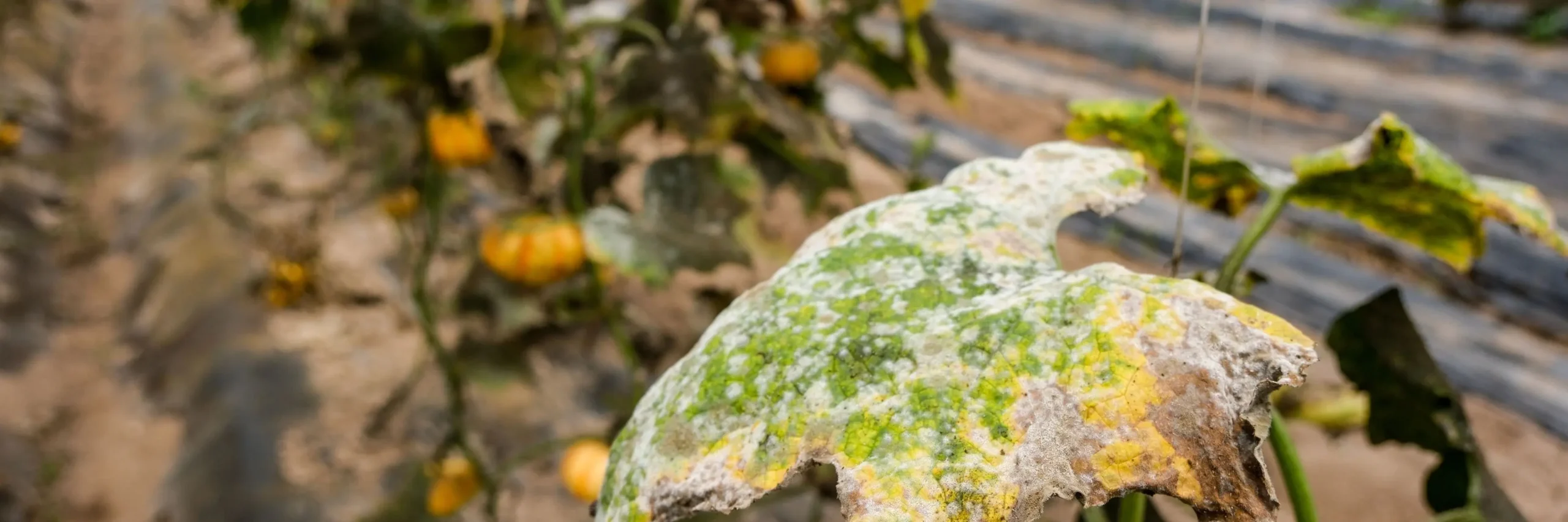
Powdery mildew is the most common fungal disease in crops, and it is widely known among the farming community. It is also one of the most serious fungal diseases in both field and greenhouse settings. Powdery mildew affects a wide range of crop varieties, and it can quietly damage plants and lead to major crop losses.
Powdery mildew grows best in warm, dry weather, and it spreads quickly under these conditions. Unlike many other fungi, it does not need moisture to spread.
Powdery Mildew Symptoms and Effects on Crops
Powdery mildew is easy to identify. It usually starts on the older, lower leaves. These leaves begin to lose their natural green color when they are infected with powdery mildew.
You will first notice tiny white powdery spots on the top of the leaves or stems. Over time, these spots can cover both sides of the leaf. The plant often appears to have been dusted with white powder.
In crops such as cucurbits and cannabis, small, dark brown, round structures may develop on the leaves in the later stages of growth. These structures help the fungus survive harsh conditions and become a source of infection in the following season.
Plants Most Affected by Powdery Mildew
Almost all plants can be affected by powdery mildew. This disease can affect a wide range of plants, including vegetables, flowers, shrubs, and even trees. However, some plants are more likely to get this disease than others.
Plants that are commonly affected by powdery mildew:
- Roses
- Sunflowers
- Melons
- Lettuce
- Peppers
- Pumpkins
- Potatoes
- Grapes
If powdery mildew keeps appearing in your garden, choose plant varieties labeled as disease-resistant. You will usually find this information on the seed packet or the plant tag.
Reasons to Avoid Chemical Fungicides
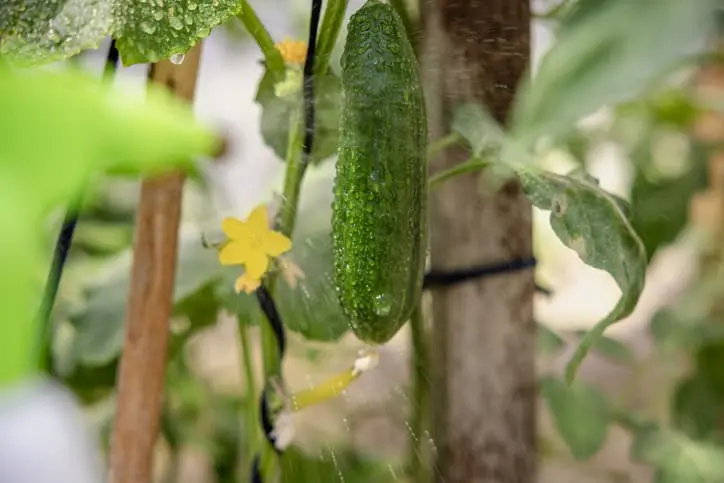
Chemical fungicides may control powdery mildew quickly, but their repeated use can cause serious environmental and health problems.
Environmental Impacts of Using Chemical Fungicides
Chemical residues from fungicides contaminate soil, surface water, and groundwater. These chemicals can kill beneficial insects, earthworms, and soil microorganisms that are essential for healthy crop production. Long-term use also reduces soil fertility and disrupts natural ecosystems.
Health Risks to Farmers and Consumers
Farmers exposed to chemical fungicides may suffer from skin irritation, breathing problems, headaches, and long-term health-related issues. Consumers may also be exposed to harmful chemical residues through food, and this raises serious food safety concerns.
How to Prevent Powdery Mildew on Plants Naturally
Detecting powdery mildew early is the easiest and most cost-effective way to keep it under control. Once the disease spreads, it becomes much harder to control. The following methods also support a safe and low-chemical way to protect plants.
Choose Resistant Crop Varieties and Crop Rotation
Powdery mildew can be effectively prevented by planting disease-resistant crop varieties. Many resistant types of cucumbers, melons, and other cucurbit crops are now easily available in the market.
Rotating crops each season also helps break the disease cycle by removing its host plants.
Reduce Humidity (Dehumidify the Air)
Powdery mildew can start when the humidity is high and the air circulation is poor. Plants naturally release water vapor into the air through a process known as transpiration. This increases humidity in enclosed spaces, such as greenhouses.
Therefore, controlling humidity is a critical step in preventing fungal diseases. For this purpose, a dehumidifier is an effective solution. Co-Airo 200 greenhouse dehumidifier is professional trusted by many farmers due to its efficiency and reliability. It reduces the amount of water vapor in the air, keeping humidity at an optimal level. This prevents condensation and keeps leaves dry. These measures help stop powdery mildew before it starts.
Proper Spacing and Air Circulation
Overcrowded plants can easily transmit diseases to one another. This also reduces light and airflow. These conditions cause the leaves to stay wet longer, which encourages powdery mildew and other fungal infections to spread rapidly.
Crops should be kept under less crowded conditions that allow more air and sunlight to reach every plant. This helps water evaporate faster, reducing white mildew and other fungal diseases. Well-spaced plants also grow healthier and absorb nutrients better. This makes it easier to manage the spread of powdery mildew naturally.
Air Circulation through the Plants
Good air circulation reduces moisture and keeps the plants healthy. Moving air helps water evaporate faster and reduces humidity. It also keeps plants in dry conditions. This makes it harder for powdery mildew to develop on plants.
Air circulation also creates a more uniform greenhouse climate. It helps control environmental conditions and prevent fungal growth.
Irrigation and Moisture Management (Leaf Moisture Control)
Wet conditions are a key factor in the spread of fungal diseases such as powdery mildew. Keeping leaves dry is important because moisture helps spores grow and spread.
Water should always be applied directly to the soil around the plant’s roots, keeping the leaves dry. Another way to prevent disease is to monitor the dew point. At the dew point, the water vapor in the air condenses and starts to accumulate on the leaves. Keeping the leaves dry helps stop the fungus from spreading. Dry leaves mean fewer opportunities for powdery mildew to develop.
Sunlight Exposure Management
Sunlight is a very important factor in managing powdery mildew.
Shaded plants stay cooler, which causes the humidity level to rise quickly. Plants that do not get enough sunlight also grow weaker. This is because plants need sunlight for photosynthesis. Weaker plants are more vulnerable to diseases, including powdery mildew and other fungal problems.
Therefore, you must ensure your plants receive enough light. This helps them stay strong and healthy, naturally reducing the risk of infection.
For best results, monitor plant shading and adjust greenhouse and garden conditions to maintain adequate exposure to light. This is a very effective method for managing powdery mildew outbreaks on plants without using chemical treatments.
Pruning and Removal of Infected Plant Parts
Stay alert for early signs of white powder on plants. Powdery mildew often starts on older leaves. When you see white powder on plants, prune the affected leaves immediately. Infected plant leaves should be disposed of outside the greenhouse for safety. This stops spores from spreading, and it is a simple and effective remedy.
Use Baking Soda Spray to Prevent Powdery Mildew
A baking soda spray is an easy way to prevent powdery mildew on plants. Baking soda creates an alkaline environment that fungi cannot tolerate. First, it should be sprayed on a single leaf as a test. If the plants respond well, baking soda should be sprayed on plants once or twice a week.
You can also use potassium bicarbonate as a gentler option. This is a natural powdery mildew treatment you can use safely on most crops.
Powdery Mildew Treatments for Infected Plants

The following treatments can be applied to plants infected with powdery mildew. Although these methods are effective as a last resort, preventive measures should be given priority.
Sulfur – Strong but Cautious
Sulfur serves as a remedy against powdery mildew on plants. It kills fungal spores quickly but can harm beneficial insects and soil organisms. Sulfur is a very effective method, but it should be used only when the other methods listed below have failed. Also, safety instructions should always be followed when working with sulfur.
Milk Spray – A Simple Home Remedy and Eco-Friendly
Milk spray is a simple mixture of one part milk (⅓) and two parts water (⅔). It works as a natural powdery mildew remedy. Milk contains natural antifungal compounds and helps control white powder on plants. It should be sprayed once every week on infected plants.
Garlic- An Organic Fungicide
Garlic contains sulfur and acts as a natural organic fungicide. A solution should be prepared by crushing and mixing 6-10 garlic cloves with 1 liter of water. After straining the mixture, dilute it further with water before applying. This helps control powdery mildew on plants naturally.
Neem Oil for White Mildew – Natural Protection
Neem oil is a natural oil used to control pests and fungi. It is also widely used in powdery mildew treatments. A neem oil solution can be made by adding 3 tablespoons of neem oil to 1 gallon of water. This solution should be applied to infected plants once a week.
Conclusion
Natural methods to manage powdery mildew protect crops, farmers, consumers, and the environment. They also support sustainable agricultural productivity. Detecting and managing powdery mildew outbreaks early on is very important. Natural control methods improve soil health, reduce chemical residues in food, protect beneficial organisms, and lower production costs. Although there are treatments for infected plants, taking preventive steps saves farmers a lot of money and enables them to take environmentally friendly measures.
Coairo dehumidifiers safeguard your plants’ health in your greenhouse.