(888) 977-1520


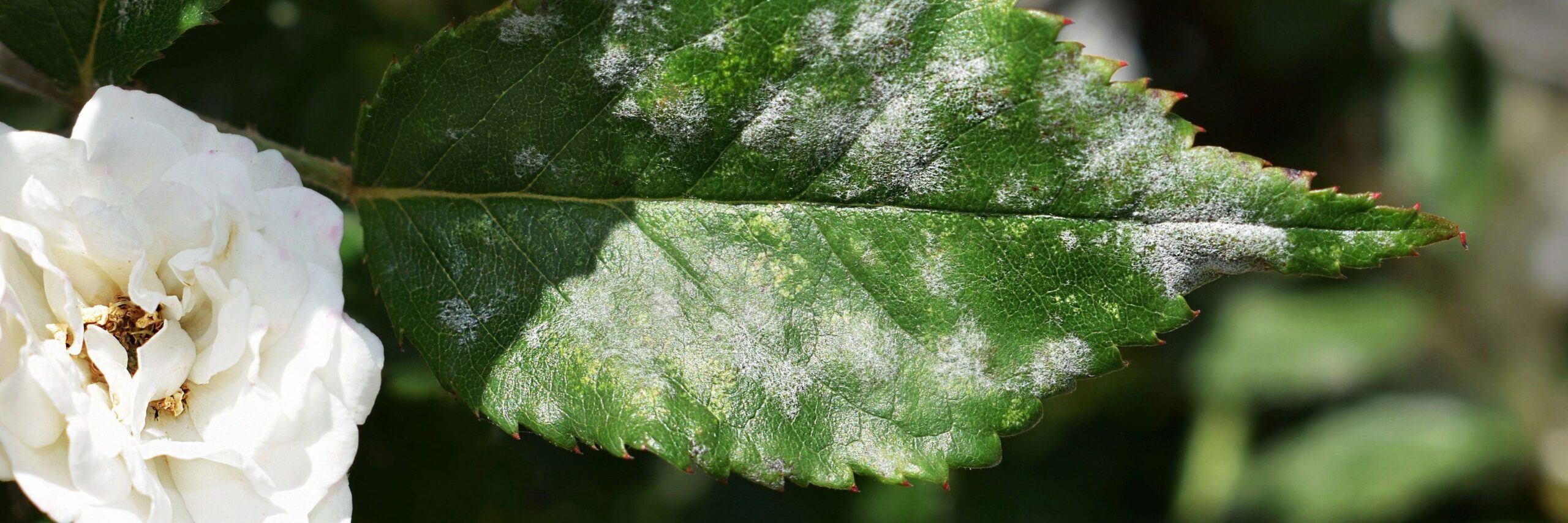
What is Botrytis and Why is it a Problem for Crops? Botrytis, commonly known as gray mold, is caused by the fungus Botrytis cinerea. It spreads quickly, especially in cool, humid conditions and in low-light environments. It is one of the most serious diseases that greenhouse farmers have to deal with. This is because greenhouse air is moist and provides a favorable environment for fungal growth.
Early Signs of Botrytis on Plants
Gray mold can infect many types of plants. Its symptoms may be different depending on the affected crop types and plant parts. The most common sign is a gray, fuzzy layer of mold on aging flowers and ripe fruits. This fluffy mold releases tiny spores into the air. They help the disease to spread even more.
Infected plant parts can begin to show brown or gray circular spots. These areas gradually become cloudy because of the spores produced by the fungus. These symptoms normally remain in one location during dry weather. However, it spreads quickly to the surrounding leaves, buds, and fruits when the air is humid or rainy.
When infected, fruits like strawberries and grapes will frequently turn soft and rotten. Also, gray mold can affect roots and bulbs. Botrytis causes the plants to rot before they reach their full potential.
Crops Most Affected by Botrytis
Gray mold is a fast-spreading fungus that damages many fruits, vegetables, and flower crops.
Plants that are commonly affected by gray mold:
Crop Type | Examples of Commonly Affected Varieties |
Fruit Crops | Strawberries, Grapes, Apples |
Vegetable Crops | Tomatoes, Onions, Lettuce |
Flowers and Nursery Plants | Roses, Geraniums, Begonias, African Violets |
Underground Structures | Tubers, Bulbs, Corms |
If the fungus infects fruit and flowers before harvest, it can continue to spread during transport and storage. This causes major losses because Botrytis is so widespread and easily transmitted. It remains one of the most challenging problems for farmers, gardeners, and the cut-flower industry.
Why Avoid Chemical Fungicides for Botrytis Control
Gray mold can be controlled by using chemical fungicides. However, there are serious environmental concerns and negative health effects associated with the use of chemical fungicides.
Effects on Soil and the Environment
Researchers have found that long-term use of chemical fungicides is unsustainable. Therefore, even if they control Botrytis quickly, they are harmful to your greenhouse in the long run. Chemical fungicides will also make the soil infertile and kill the beneficial insects, earthworms, and soil microorganisms that are needed for sustainable crop production. Chemical residues can also contaminate soil, surface water, and groundwater.
Health Risks for Farmers and Consumers
Chemical fungicides can cause serious health concerns. Some of them are,
- Cancers
- Skin irritations
- Respiratory issues
- Chronic kidney disease
- Parkinson’s disease
Farmers affected by these diseases frequently report that they have used chemicals in their fields or greenhouses. Consumers can also face the danger of contracting these diseases through food consumption. This raises a serious food safety issue, which can harm the reputation of the farmers.
How to Prevent Botrytis Naturally

There are several natural ways to prevent the spread of Botrytis. Similar to other fungal diseases, prevention is better than curing infected plants. Preventing Botrytis from developing in the first place is the simplest and most cost-effective method. Once the disease develops, it will be difficult to control it. The following approaches are proven natural methods to prevent gray mold outbreaks.
Keep Humidity Low in Growing Areas
Humidity in the greenhouse is one of the most important factors contributing to the spread of Botrytis. It strongly affects the growth of Botrytis. Furthermore, warm and humid conditions help Botrytis spread quickly. Due to this reason, gray mold outbreaks can be easily controlled by properly managing moisture in the greenhouse air.
Plants release moisture into the air through a process called transpiration. This process naturally causes humidity to increase over time. When the air and plant surfaces become wet, the fungus can grow quickly on leaves, flowers, and fruits. So, maintaining the right humidity level is crucial for controlling the spread of gray mold.
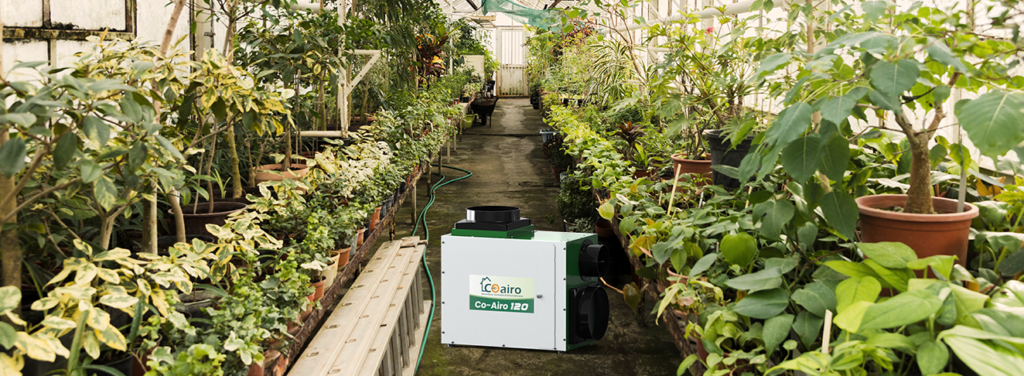
To remove excess moisture from greenhouses, it is recommended to use an industry-standard dehumidifier such as the Co-Airo 200. These dehumidifiers help to control humidity and reduce the risk of gray mold outbreaks before they start.
Improve Air Circulation Between Plants
Good air circulation helps to reduce Botrytis. When air moves through the leaves, the leaf surface dries more quickly. This prevents leaf surfaces from retaining moisture for a long time. Botrytis needs wet leaves to infect plants, but faster drying gives the fungus fewer chances to grow.
Good airflow also helps to maintain even humidity in the greenhouse. This prevents the greenhouse from becoming saturated with moisture and reduces the risk of fungal infections.
Remove Dead and Infected Plant Parts Quickly
One important step in controlling gray mold is to remove infected plants. This step is most effective when an outbreak is already happening. Removing infected plants stops the gray mold from spreading to other plants.
Infected plants should never be composted because the spores remain active. This can spread the disease later. It is always best to prevent the infection before a gray mold outbreak. But when necessary, removing infected plants is the safest final step.
Avoid Plant Wounds
Botrytis can easily enter a plant through cuts or damaged areas. If you handle plants roughly, you create small wounds. So, gray mold spores can enter through these small wounds and cause infection. Therefore, always try to handle and work with the plants gently. It helps to reduce these injuries and makes the plants less vulnerable to fungal diseases.
Maintain Proper Lighting
Lighting, or radiation, comes from sunlight and artificial lights. It helps remove extra moisture by evaporating excess water vapor inside the greenhouse. This process helps maintain proper humidity levels, which is crucial for the spread of fungal diseases such as Botrytis.
Radiation is not only useful for removing excess moisture; It also provides proper lighting inside the greenhouse. Optimum lighting conditions are necessary for better plant health, metabolism, and photosynthesis. It also improves the plants’ natural immunity and gives them the resilience they need to grow well.
Prune and Maintain Proper Plant Spacing
Plants should be pruned regularly to keep them healthy and prevent disease. This allows infected plant parts to be removed before a severe Botrytis outbreak can develop. Pruning practices are different from plant to plant. So, best practices should be followed depending on the plants in your greenhouse.
Another important point is to maintain proper plant spacing when planting the crops. This spacing makes it harder for fungal diseases to spread from plant to plant. It also prevents the plants from forming a thick canopy. Otherwise, the moisture gets trapped in the canopy, causing the humidity level to rise rapidly.
Water Plants the Right Way (Keep Leaves Dry)
Water droplets on plant leaves can help spread fungal diseases such as Botrytis. Therefore, when watering the plants, special care should be taken. Instead of spilling water on top of the plants, water must be directed onto the soil bed where the plant sits.
Proper timing when watering the plants is also important. According to researchers, the best time to water greenhouse crops is in the morning. This gives plants plenty of time to evaporate the water on their leaves by sunset. Otherwise, when the air cools down at night, the remaining water on leaves may condense. This accelerates the spread of fungal diseases.
Keep Soil Clean
Debris such as fallen leaves, old petals, or fruit can decompose and create a perfect environment for Botrytis (gray mold) spores to grow. When this organic matter stays on the soil surface, it holds moisture and increases the humidity around the plant’s base. This makes the environment more suitable for fungal growth. So, cleaning the field or greenhouse often helps prevent spores from forming or spreading. Water splashes during rain or watering can carry the spores to healthy leaves and fruit. Therefore, keeping the soil clean and removing infected parts is very important for maintaining a healthy environment.
Apply Neem Oil for Fungal Protection
Neem oil is a natural fungicide. It helps to slow down all kinds of fungal growth, including Botrytis. So, if you use it before the disease appears or earlier, you can avoid (or greatly reduce) the chance of gray mold spreading. Neem oil can also be used as a gentle pest control option, which helps to keep pest numbers down.
You can make a neem spray at home by adding a small amount of neem oil and a little liquid soap to a liter of water. After that, mix well and spray this neem oil solution on the plants. Neem oil is safe for people to use. You can find it in many health or garden stores.
Conclusion
Botrytis is a highly destructive fungal disease that can develop in greenhouses. But it can be effectively managed without relying on chemical fungicides. Growers can create a gray mold-free environment by following simple yet effective practices. These include keeping the humidity low, removing infected plants, maintaining proper lighting and spacing, and practicing good watering techniques. Natural fungicides such as neem oil can further reduce the risk. By following the correct preventive techniques, farmers can protect their crops and maintain healthy plants. This also avoids the environmental and health risks associated with chemical fungicides.