(888) 977-1520


Why Tomato Plants Need Sunlight
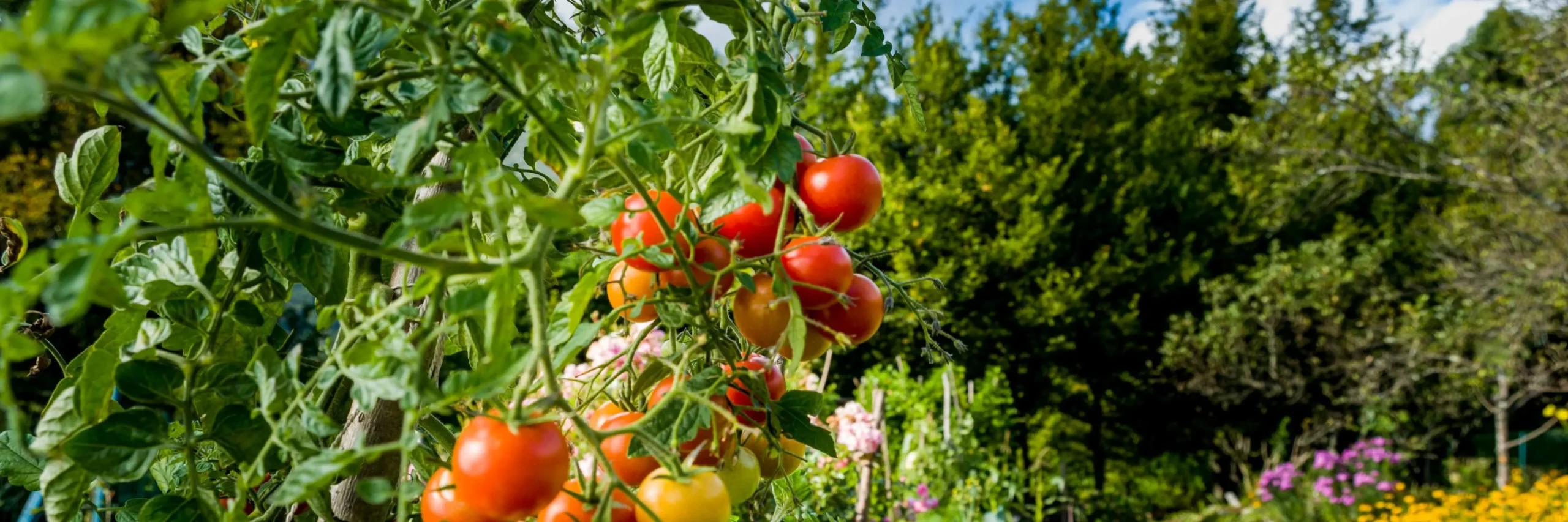
Tomatoes are one of the most popular garden plants, but many growers struggle with poor growth or low fruit production. One of the main reasons behind this is incorrect sunlight exposure. Sunlight is essential for all plants, but tomato plants rely on it even more. If tomato plants don’t get enough sunlight, their fruit production drops, and the tomatoes don’t ripen well.
Understanding how much sunlight your tomato plants need is essential to getting a good harvest. This article guides you on how much sunlight tomatoes require, the problems caused by low light, and simple ways to improve your harvest.
All plants need sunlight because it helps them produce food through a process called photosynthesis. In addition to this process, tomato plants need sunlight to grow strong stems, healthy leaves, and high-quality fruits.
What Happens When Tomato Plants Do Not Receive Enough Sunlight
Condition | Comments |
Long and weak stems | The stems of tomato plants become weak but grow tall as they reach for available sunlight |
Reduced fruit set | Less sunlight means fewer blossoms, which means fewer tomatoes. Sometimes, harvests can be cut in half. |
Yellow leaves | Without sunlight, leaves lose their rich green color. |
Late harvest | Fruits ripen slowly and often taste less flavorful. |
Higher disease risk | Moist, low-light areas encourage fungal diseases. |
Best Sunlight Conditions for Growing Tomatoes
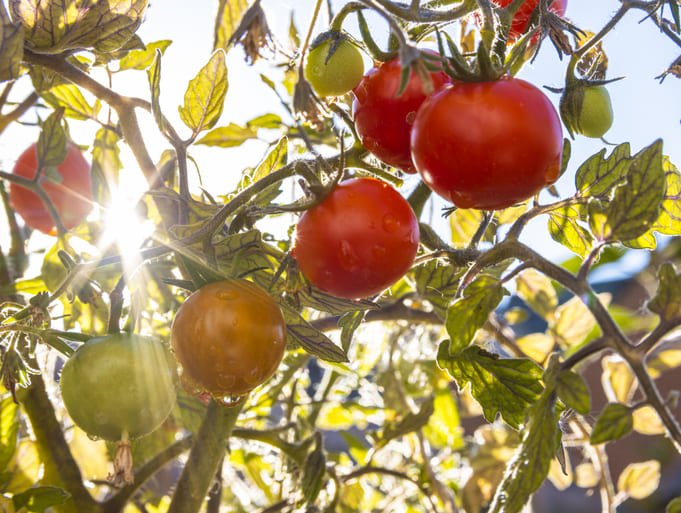
Depending on climate conditions, the amount of sunlight tomatoes need can change. This means the sunlight requirement depends on the location of the field or the greenhouse. As a general rule, tomato plants need at least six (6) to eight (8) hours of direct sunlight every day. Under these conditions, tomatoes grow better, stay healthy, and produce fruit.
In warm climates, tomato plants often do not require full sunlight all day. They usually grow better when they receive morning sun and protection from the strong afternoon heat. In cooler regions, tomato plants can handle sunlight from morning until evening without any problem. This means that although tomato plants need sunlight for a long time, the exact requirements depend on climate and temperature.
For tomato plants, morning sunlight is especially beneficial because it dries moisture on the leaves. This helps reduce common diseases such as powdery mildew and Botrytis.
Daily Sunlight | How Tomato Plants Perform | What You Should Do |
More than 8 hours |
|
|
6-8 hours |
|
|
4-6 hours |
|
|
Less than 4 hours |
|
|
Table 01: Daily Sunlight and Tomato Performance
Sunlight Needs During Each Tomato Growth Stage
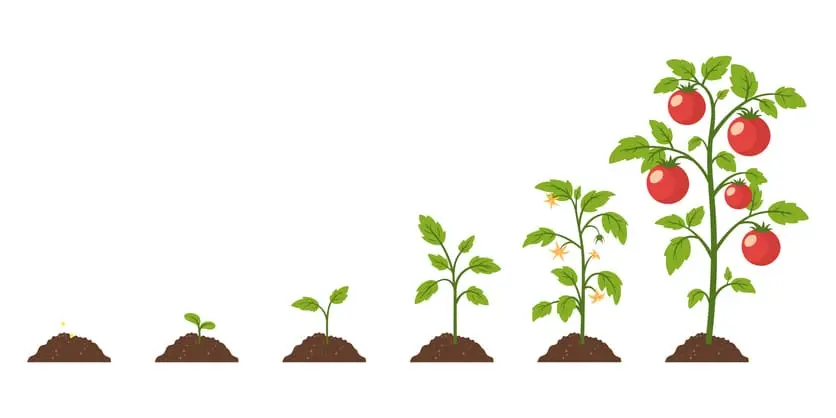
Tomato plants require different light levels at each stage of growth, from germination to fruit development.
Understanding these requirements is important if you want to achieve healthy tomato plants and higher yields.
Light Requirements During Tomato Seed Germination
Germination is the stage in which the tomato plant emerges from its seed (begins to sprout). Sunlight is an important factor for tomato plants after they grow, but tomato seeds do not require light to germinate. Seeds can sprout without any light at all. Instead, they need moist soil and warm conditions to germinate successfully.
Light Requirements for Tomato Seedlings
After germination, the tomato plants enter the seedling stage. During this stage, the seedlings develop their first true leaves. Light becomes a very important factor during the seedling stage. Tomato seedlings require strong and consistent light.
- Outdoor seedlings need 6 to 8 hours of bright sunlight per day.
- Indoor seedlings should receive around 14-16 hours of light from LED grow lights.
Light Requirements During the Tomato Flowering Season
After the seedling stage, the healthy tomato plants enter their flowering stage. This is the stage where tomato plants begin to flower and start producing tomatoes. Sunlight is a critical requirement during the flowering stage.
Outdoor plants need more than 8 hours of sunlight per day during the flowering stage.
In the greenhouse setting, tomato plants require 16 to 18 hours of light during this stage.
This will ensure that the plants produce the maximum number of tomatoes.
Light Requirements During Tomato Ripening
Sunlight is essential for tomato plant growth, but it does not directly control fruit ripening. After tomatoes form, heat becomes a more important factor.
Tomatoes release ethylene gas during ripening. It helps the fruit change color, soften, and develop better flavor.
- Tomato plants grown outdoors require more than 8 hours of sunlight during the ripening stage.
- Tomato plants grown in a greenhouse need 14 to 16 hours of light from LED grow lights.
Light Requirements During Late Season
This is the season when tomatoes are ripe and ready for harvesting. The need for sunlight decreases during this season. Also, long exposure to bright sunlight can cause sunscald on ripening fruits.
- Outdoor plants need 6 to 8 hours of sunlight during this season.
- Plants grown in greenhouses only require 12 to 14 hours of light.
Different Tomato Varieties and Their Sun Requirements
Tomatoes grow best in full sunlight, but some varieties can tolerate partial shade better than others.
Cherry tomatoes: Common varieties are Sweet Million and Sun Gold. These varieties continue to give a good harvest even with only 5 to 6 hours of sunlight.
Determinate varieties: Patio Princess and Balcony are some common determinate tomato varieties. These plants grow better in containers and shaded areas.
Smaller fruit types: Tomatoes with smaller fruits perform better in low light than larger beefsteak types.
Larger, fast-growing tomato plants (common tomato varieties) usually require longer daily sun exposure to produce a good yield.
Signs Your Tomatoes Need More or Less Sun
Signs of Not Enough Sunlight
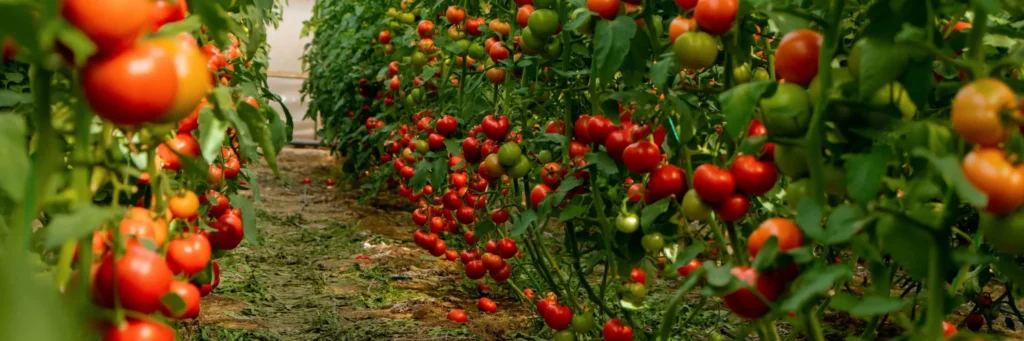
Tomato plants can survive with less than 6 hours of daily sunlight, but fruit production will usually be low. If the field’s location receives only 4 to 6 hours of sun, smaller varieties perform better.
Lack of sunlight can also cause:
- Weak growth
- Pale or yellowing leaves
- Reduced leaf development
In very low light conditions, tomato plants often struggle to survive.
Signs of Too Much Sunlight (Sunscald)
Exposing tomato plants to extreme sunlight can be harmful. When plants are exposed to intense midday heat, the fruits can become damaged. This damage, caused by too much direct sunlight, is called sunscald. Unhealthy plants are more likely to get sunscald. It causes white or pale spots on the tomato skin. Later, the affected area can become gray and hard. Sunscald makes plants more vulnerable to diseases and insect damage.
Solutions for Locations with Less Sunlight
Tomato plants need sunlight for growth, but sometimes the grow spaces do not offer ideal light conditions. The following strategies can be implemented in spaces with limited sunlight.
Choosing the Right Spot for Your Plants
Place your tomato plants where they receive early morning sunlight. Morning light supports steady growth and helps protect plants from stress caused by intense afternoon heat.
If possible, choose a south-facing location, as it stays brighter for longer throughout the day. This applies to fields in the Northern Hemisphere (for example, the USA).
Grow Tomato Plants in Containers
The Royal Horticultural Society in the UK recommends this method of growing tomato plants in containers. The containers can be moved throughout the day, following the sun. With this method, the tomato plants are able to get an extra 2-3 hours of sunlight a day.
Bouncing Sunlight through Reflective Surfaces
In this method, reflective panels such as aluminum mulch are placed around tomato plants. These reflective surfaces bounce the additional sunlight into parts of the plant that receive little light. By redirecting sunlight that would otherwise go to waste, this method is known to increase the light exposure of the lower plant sections up to 30%.
Pruning the Tomato Plants
Research has shown that pruning the lower leaves of the tomato plants is beneficial for two reasons. The first reason is to enable good air circulation, which will reduce the risk of fungal diseases. The second reason is to allow the sunlight to reach the ripening fruits. However, farmers should not prune more than one-third of the entire foliage, as that will expose the fruits to too much sunlight. This will make the tomatoes prone to sunscald.
Common Sunlight Mistakes to Avoid
Planting too close together
When tomatoes are crowded, sunlight can’t reach all the leaves. So, air gets trapped between plants.
Not noticing seasonal changes
A sunny spot in spring can turn shady in summer as trees, walls, or other plants block the light.
Overlooking reflected heat
Sunlight bouncing off glass or metal can burn leaves, even if the area doesn’t seem too hot.
Thinking all sunlight is the same
Morning sun is gentler and better for growth, while strong afternoon sun can stress plants.
Conclusion
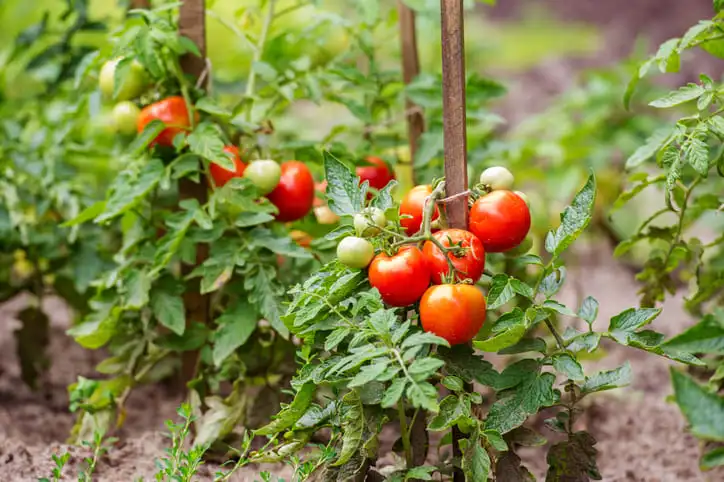
Sunlight is an essential factor for healthy tomato growth and high yields. Plants should be provided with the right amount of sunlight depending on the growth stage, climate conditions, season, and variety. This will help prevent weak growth, diseases, and poor fruit production. Optimal sunlight conditions will lead to better-quality tomatoes and a more successful harvest.