(888) 977-1520


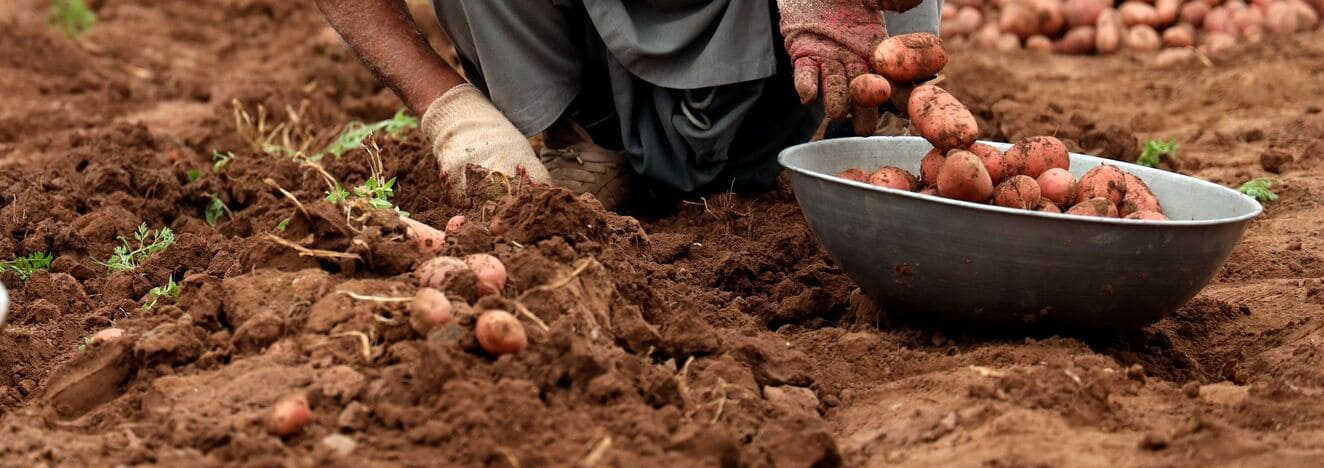
Bacterial soft rot is more common in warm and moist conditions in the greenhouse. The bacteria decays the fruit, foliage and trunks of the plants.
Bacterial soft rot causes the plants to decay at pre harvest and post harvest stages. The bacteria affect many crops in your greenhouse such as onions, potatoes, tomatoes, carrots, peppers and many more plants.
In this article, we’ll examine the bacterial soft rot, its symptoms, treatment and how to prevent these plant diseases.
What's Bacterial Soft Rot?
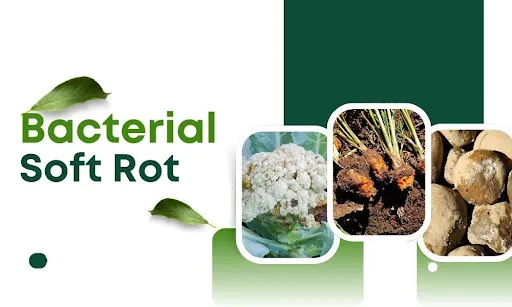
The bacterial soft rot causes more damage than any other plant diseases. The bacterial disease affects the succulent parts of potatoes, tomatoes, carrots, cucumbers, cabbage and cauliflower etc.
|
Crop |
Susceptibility |
Notes |
|
Potato |
High |
Soft rot often occurs during storage |
|
Carrot |
High |
Common in moist conditions |
|
Tomato |
Medium |
Mostly affects damaged fruits |
|
Cucumber |
Medium |
Can occur in greenhouse crops |
|
Onion |
Low |
Mostly during post-harvest storage |
|
Lettuce |
Medium |
Usually in high humidity environments |
Many people ask about what causes soft rot? The bacterial soft rot is caused by diverse species of bacteria like Pectobacterium caratovarum, Pseudomonas, Bacillus and Clostridium. These bacteria are more active during rainy or cold days.
The studies show that bacterial soft rot in potatoes is caused by a complex group of gram-negative and gram-positive bacteria, with Dickeya and Pectobacterium.
These pathogens spread diseases on different plants due to insects, contaminated soil and tools. The bacterial soft rot in potatoes is more common in poor oxygen supply.
Signs & Symptoms of Bacterial Soft Rot
So what does soft rot look like? The plants show clear signs of disease once the bacteria infect their tissues. Here are some of the many bacterial soft rot symptoms:
1. Mushy Fruits
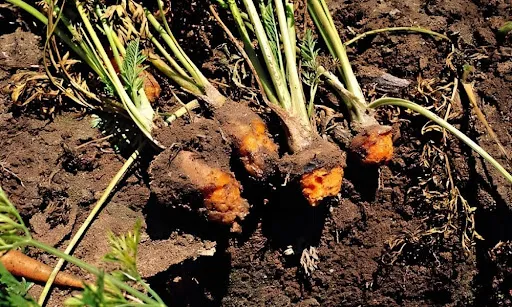
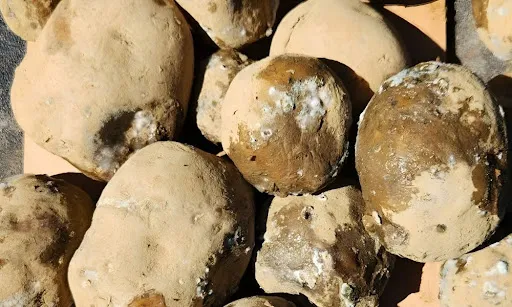
The bacterial soft rot can lead to moist, mushy, rotted and discoloration of tissue of different plants. The infection first decays the skin and continues to the inner parts of the fruit. You can easily identify the affected fruits as they change their color.
2. Soft Spots
The higher energy means the higher rate of evapotranspiration. You can introduce artificial light in your greenhouse as it increases plant activity and water loss as well. Intense sunlight also elevates the rate of evapotranspiration.
3. Discoloration
You can observe the area around the soft spots. In peppers, you can notice the yellow discoloration. This is the sign that the bacteria is starting to decay the tissues of fruit.
4. Smell
Initially, the bacterial disease doesn’t have any smell so you can’t find anything wrong with your plant. But as the bacteria start to grow and decay the parts of plants, it emits a foul smell.
5. Stems
The bacteria grows at the injured part of stems in plants. The bacteria affects the vascular tissues of stems and lead to soft stems.
6. Leaves spots
In some plants, soft rot can also affect the leaves. The soft spots appear on the leaves which cover the whole leaf eventually.
How to Treat Bacterial Soft Rot?
When you identify the signs and symptoms of bacterial soft rot, it’s the time for treatment. Here is how to treat the soft rot:
Remove Infected Part
Remove the infected parts of plants if you notice any soft spots or foul odor. These parts can infect the other parts of the same plant or surrounding plants as well. Don’t compost these infected parts as they can contaminate the soil.
Regulate Growth Condition
The warm and humid conditions provide the ideal environment for bacterial growth and soft rot in many fruits and vegetables. So, farmers can use dehumidifiers inside the greenhouse to maintain the humidity. Dehumidifiers for greenhouse control the humidity and improves the airflow which stops the bacterial soft rot.
|
Factor |
Optimal Conditions |
Impact on Infection |
|
Temperature |
25–35°C |
Promotes bacterial growth |
|
Humidity |
90–100% |
Moist tissue favors infection |
|
Mechanical Injury |
Present |
Entry point for bacteria |
|
Storage Conditions |
Poor ventilation, wet |
Rapid post-harvest decay |
Chemical Bacterial Soft Rot Control
Some farmers ask, “what is the chemical control of bacterial soft rot?”. Well, fungicides don’t have much effect on the soft rot growth. However, you can treat the seed as well as the harvested fruits. The 1% sodium hypochlorite solution can prevent further infection. You have to wash fruits with solution for 30 seconds then wash them with the water.
Chlorine Dioxide inhibits the bacterial soft rot in tomatoes. Researches suggest that ClO₂ gas can be an effective postharvest treatment of soft rot in tomatoes which are exposed to bacterial contamination before or during harvest.
How to Prevent Bacterial Soft Rot in the Future?
The bacteria is present everywhere and causes disease in plants. The bacterial rot is not easy to treat but you can control the growing conditions for bacterial soft rot control in future.
Avoid Damaging Your plant
Bacteria can easily enter the plant and cause disease through the wounded part of plants. Handle your plants with care. Make sure that your plant is healthy because the bacteria enter through the injured parts.
Clean Tools
Sanitize your instruments regularly, especially after handling diseased plants. The bacteria can easily spread through contaminated tools. You should throw the infected parts away from the greenhouse to avoid any transport of bacteria.
Proper Irrigation
Use a drip irrigation system to water your plants. The overhead watering can keep the leaves and fruits moist for several which can be a contributing factor for bacterial growth. The drip system also reduces the splash chances which can contaminate other healthy plants as well.
Using Dehumidifiers
The dense plant canopy can produce microclimate which retains water and stagnant air. The dense foliage also leads to poor airflow between the plants.
So, avoid overcrowding of plants and follow proper spacing guidelines. You can prune the extra branches of plants to create space between the plants.
Always use a dehumidifier inside your greenhouse. It preserves the adequate humidity levels and avoids high moisture in the greenhouse. You can also set the humidity levels according to plants’ needs which can boost the plant growth as well.
Conclusion
Bacterial soft rot causes food losses around the whole world. The bacteria affects the succulent parts of the plants and causes tissue decay.
Bacterial soft rot in carrots along with other plants is caused by the strains of Dickeya caratovarum, Pseudomonas and Pectobacterium.
You can treat the soft rot by pruning the diseased portions of plants or managing the growing conditions. Use a Coairo dehumidifier to maintain adequate airflow and stabilize the humidity in the greenhouse.