(888) 977-1520


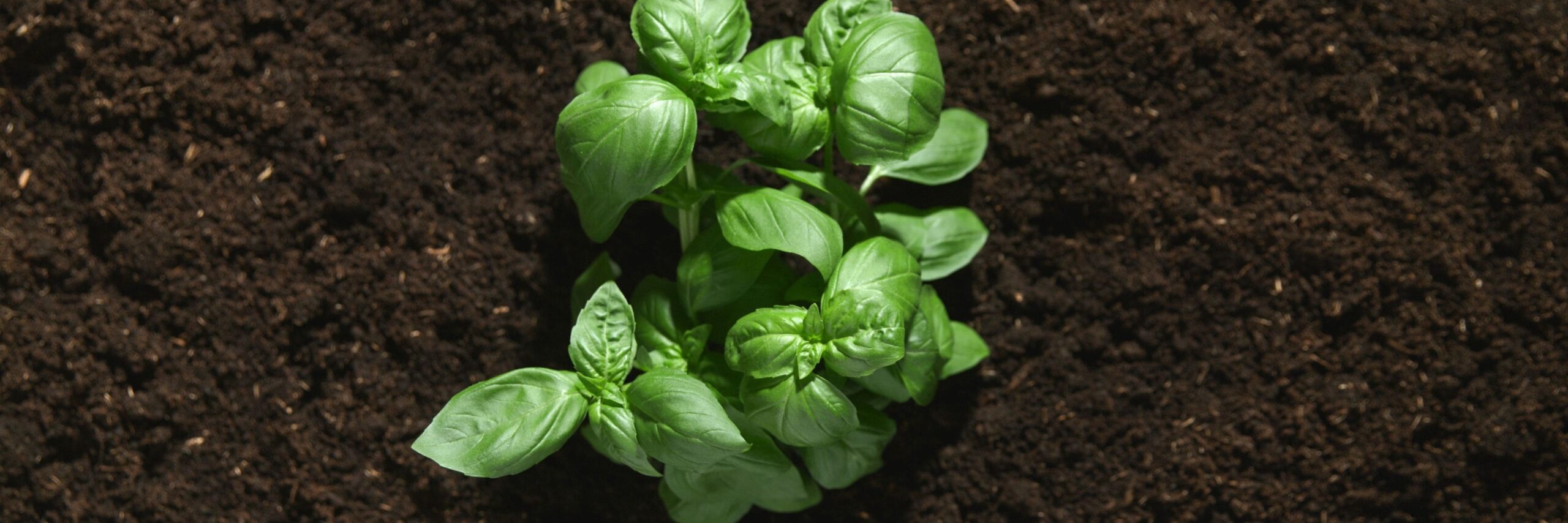
The basil plant is arguably the most popular herb in the world. People grow it in home gardens, greenhouses, and indoor farms. It is easy to grow, but the taste and health of basil plants heavily depend on the temperature. Understanding the basil plant’s temperature tolerance helps growers avoid common problems associated with growing basil. This also allows them to grow strong and flavorful plants.
The goal of this article is to explain the temperature tolerance in basil plants. It covers topics such as cold and heat stress, ideal temperature ranges, and how to protect basil plants for better growth and flavor.
What Does Basil Plant Temperature Tolerance Mean?
Basil is a warm-season herb plant. This means it grows best in warm weather conditions and does not tolerate cold temperatures well. The temperature tolerance of basil refers to the range of temperatures in which the plant can survive and continue to grow healthily.
Why Temperature is Important for Basil Growth
Basil plants prefer warmer climates. This is because they need warm conditions to produce healthy green leaves. Sunlight is the main factor in regulating plant temperature. Additionally, sunlight enables the plants to make their own food through a process called photosynthesis.
If the weather is too cold, basil growth slows down. Cold weather also weakens the leaves, causing them to turn pale, wilt, or become damaged. Cold stress can slow down the plant’s growth and reduce yield.
If the weather is too warm, it can also cause problems. Too much heat can cause heat stress, leading to wilted, dry basil plants that become less flavorful.
Ideal Temperature Range for Healthy Basil Plants
Research shows that temperature control helps basil grow faster, produce more leaves, and develop better taste in its leaves.
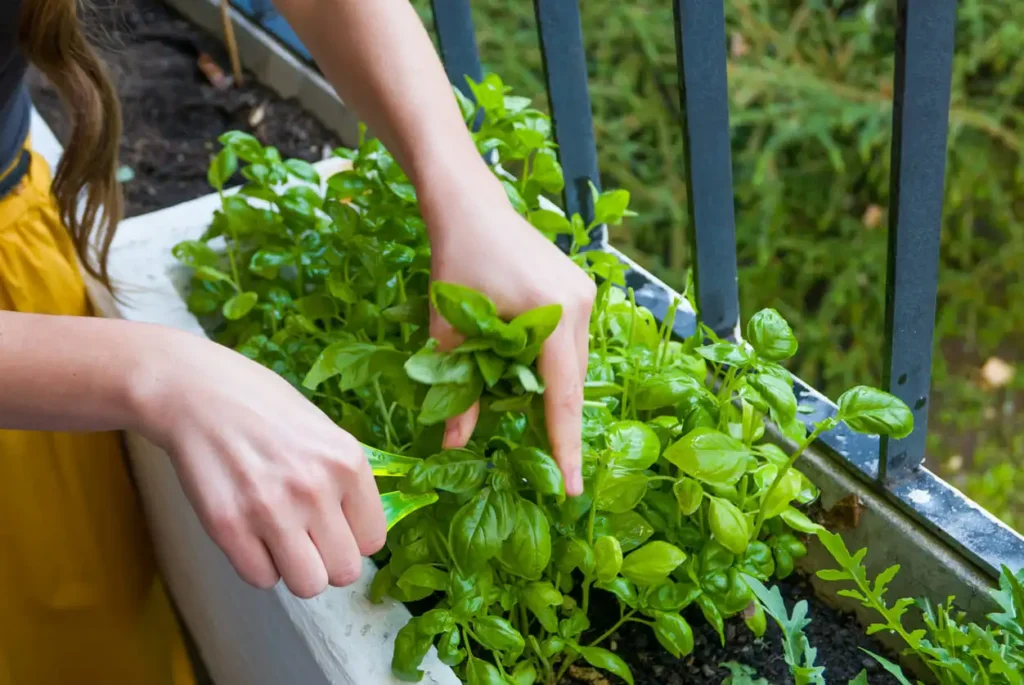
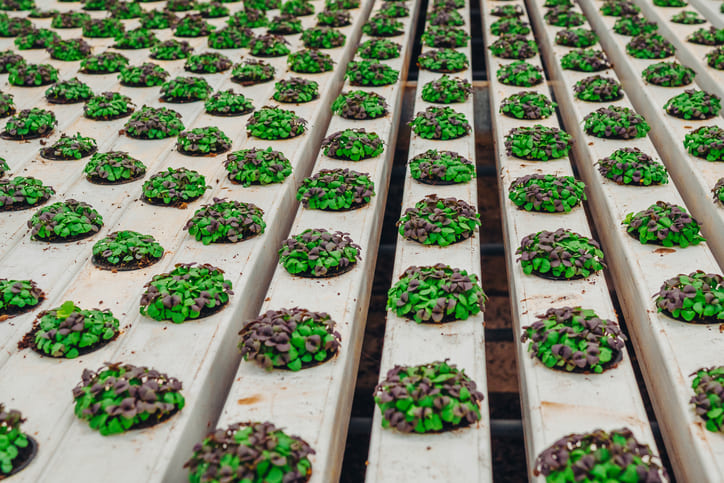
The basil plant is usually planted during the summer season. In many regions, it is grown as an outdoor plant. Recently, there has been a growing trend of planting basil plants in hydroponic systems. In this method, the plant’s roots are in water instead of soil, and liquid fertilizer provides the nutrients for the basil plant.
However, the temperature requirements of basil plants do not change whether you grow it in soil or in a hydroponic system. The right temperature should be maintained in every growing condition to ensure healthy plants and better yields.
Best Daytime Temperature for Basil
The ideal daytime temperature for basil plants is 80°F to 90°F (26°C to 32°C). Under this temperature range, basil plants grow quickly and produce large, healthy leaves. Warm daytime temperatures support strong plant development, and they improve leaf quality.
Basil plants can sometimes survive at temperatures slightly above 50°F (10°C), but growth becomes noticeably slower below 59°F (15°C). Using covers or growing plants in a greenhouse can help maintain warm temperature conditions throughout the day.
Best Night Temperature for Basil
At night, basil plants should be kept above 50°F (10 °C). Cold temperatures during the nighttime can slow down plant growth and cause stress to the plants.
Greenhouse and indoor setups are used to maintain optimal temperature at night, especially in cooler regions.
Condition | Temperature (°F) | Temperature (°C) |
Optimal Growth | 80-90 | 26-32 |
Acceptable Growth | 65-77 | 18-25 |
Growth Slow | 50-63 | 10-17 |
Damage Risk | Below 50 | Below 10 |
Table 01: Recommended Basil Temperature Ranges
How Cold Temperatures Affect Basil Plants
Cold temperatures slow down growth in basil plants and reduce their ability to produce healthy leaves. When it gets too cold, basil cannot photosynthesize properly. This ultimately weakens the plant. If basil is exposed to cool temperatures for a long time, its growth slows dramatically or even stops completely. This is called cold stress in basil plants.
Signs of Cold Stress in Basil
- Wilting or drooping leaves
- Pale or yellow leaf color
- Slow or stopped growth
- Black or brown leaf damage after frost
Below 59°F (15°C), growth begins to slow down significantly. Around 50°F (10°C), the plants experience strong stress, and growth slows further. Temperatures under 41°F (5°C) can cause serious damage, and frost can quickly kill basil plants.
How High Temperatures Affect Basil Growth and Flavor
Basil grows well in warm weather, but extremely high temperatures can be harmful to basil plants. If the temperature rises too much, basil plants struggle to keep enough water in their leaves. This situation can reduce their leaf quality and slow new growth. This condition is called heat stress in plants.
Heat Stress Symptoms in Basil Plants
- Drooping or curled leaves during the day
- Dry leaf edges
- Slow leaf production
- Early flowering results in reduced leaf quality
High temperatures can reduce basil’s flavor. Although warm temperatures help develop aroma, excessive heat can make the leaves taste bitter. Therefore, too much heat causes the quality of the basil leaves to drop.
How to Protect Basil from Temperature Stress
Temperature management is a very important factor in growing basil plants. Both cold and heat stress can directly reduce plant health and leaf quality. Given below is a summary of simple practice tips for protecting basil plants from heat and cold stress.
Protecting Basil from Cold Weather
The following steps can be taken to help basil survive cooler temperatures and reduce cold stress.
- Cover basil plants with cloth or plastic sheets at night. This will ensure that the warmth is trapped around the plants. This is a practical and cost-effective method to regulate the temperature.
- Grow basil plants in pots. This is a simple method to control the temperature that plants receive. By planting in pots, you can move the plants indoors or to warm locations at night or during cool seasons.
- Keep the soil slightly moist. It is well known that the moisture in the soil helps retain warmth.
Protecting Basil from Excessive Heat
The methods below can help reduce the heat stress caused by too much heat. They allow basil to stay healthy even in hot conditions.
- Water the basil plants regularly. Watering plants regularly with enough water helps protect them from excessive heat. Special care should be taken during the hotter months, and plants should be watered frequently during those months.
- Shade the plants during extreme heat conditions. However, the plants should not be covered fully, as it will trap the heat inside.
- Put mulch around basil plants. This method helps in keeping the soil cool and moist.
- Harvest the leaves often. It is a good practice to harvest the leaves frequently during hot weather conditions. This helps keep stress at a minimal level.
Role of Humidity and Airflow in Temperature Control
Temperature is also affected by other factors such as humidity and airflow. Therefore, these factors indirectly affect basil plant health, especially in greenhouses and indoor farms.
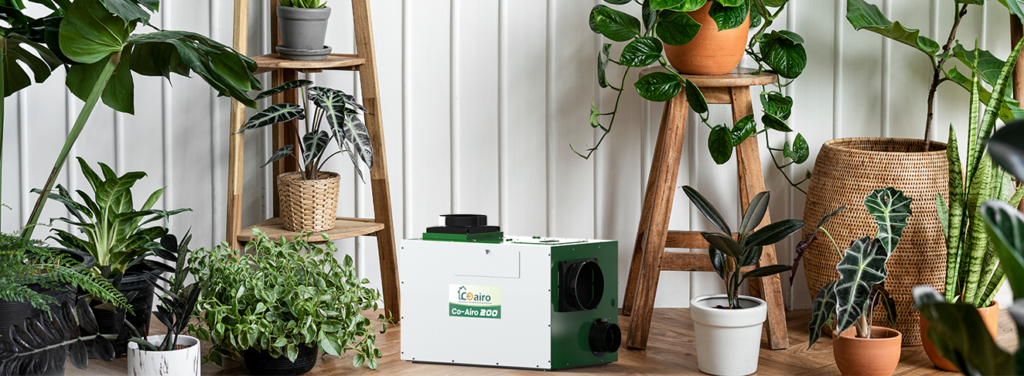
Basil plants release moisture to the environment through a process called transpiration. High humidity reduces the plant’s ability to cool itself through transpiration. This makes basil more sensitive to heat stress. Active dehumidification systems such as Co-ario 200 remove excess moisture from the air.
On the other hand, good airflow helps regulate temperature by removing excess heat and moisture around the leaves. This creates a more stable growing environment and reduces the risk of disease.
Conclusion
Temperature is an important factor in basil plant cultivation. It influences plant growth, leaf quality, and flavor. The correct temperature range should be maintained to reduce plant stress and common growth problems. By managing factors such as heat, cold, humidity, and airflow, healthier plants and higher yields with better flavor can be expected. Both outdoor farmers and greenhouse growers should pay attention to these factors if they want a better quality output.